Originally Posted On: https://ikippahs.com/blogs/jewish-style/why-linen-kippah-demand-spikes-when-warm-weather-occasion-dressing-returns
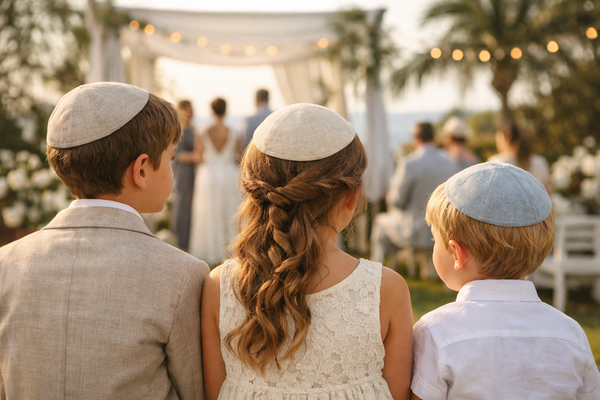
Key Takeaways
- Choose a linen kippah for spring and summer events if comfort matters as much as appearance; the lighter fabric usually feels better in warm rooms, outdoor photos, and long wedding weekends.
- Compare a linen kippah against velvet, cotton, and suede before buying, because each material changes the look, heat level, and formality of the same outfit.
- Match the linen kippah color to seasonal suiting and dress shirts—tan, gray, navy, black, and soft neutrals tend to work better for repeat wear than one-occasion novelty picks.
- Check construction before checkout: a linen kippah can look completely different in rimmed, rimless, flat, or dome styles, and stitching quality often decides whether it feels polished or flimsy.
- Plan bulk linen kippah orders early for weddings, bar mitzvahs, graduations, and gift season, since buyers usually want one style that photographs well, wears easily, and suits a wide age range.
- Buy fewer but better warm-weather pieces; a well-made linen kippah often earns more use than heavier options because it handles occasion dressing, Shabbos meals, and daytime celebrations without feeling overdressed.
Every spring, the same buying pattern shows up fast: heavier headwear starts feeling wrong the minute event season shifts outdoors, family tables get fuller, and dress codes lighten up. Linen kippah searches rise for a simple reason—it solves a real wardrobe problem. It looks polished, but it doesn’t trap heat the way velvet often does, and it reads more dressed than the basic cotton option people reach for on regular weekdays.
That matters now because occasion dressing has changed.
Shoppers aren’t just grabbing a yarmulke to fill a requirement; they’re matching texture, color, and formality with the rest of the outfit—especially for a wedding, graduation, Shabbos lunch, or gift. In practice, the winning pick is usually the one that can handle warm rooms, long meals, photos, and repeated wear without looking fussy. That’s where linen keeps moving up the list. Not flashy. Just smart, seasonally right, and easier to pair with soft suiting, open-collar shirts, and lighter palettes (which is exactly what buyers want right now).
Why does the linen kippah move to the front of the closet each spring and summer
Retail pattern shifts show a familiar jump each year: once temperatures rise and simchas fill the calendar, shoppers stop reaching for heavy velvet first and start favoring a Linen kippah. That sounds obvious — the real driver isn’t only heat—it’s how warm-weather dressing changes texture, color, and comfort all at once.
Breathability, lighter hand, and why warm rooms change buying habits
A black linen yarmulke works because linen has a drier, airier hand than velvet or suede, especially in packed rooms, long meals, and outdoor photos. Buyers looking for a lightweight linen kippah usually aren’t chasing novelty; they want something that feels easier after two or three hours of wear.
- Breathes better in warm rooms
- Looks lighter with spring fabrics
- Photographs are clean under daylight
The shift from daily school wear to event dressing and photo-ready choices
By late spring, the shopping mindset changes. Daily basics give way to dress choices for a wedding, Yom Tov table, or family portrait—and that’s where summer linen headwear starts to pull ahead. A navy linen kippah often reads dressy without feeling stiff, while a tan linen yarmulke fits softer seasonal palettes.
Why a linen kippah pairs better with seasonal suiting, dress shirts, and softer color palettes
Here’s what most people miss: linen doesn’t just feel cooler—it visually belongs with warm-weather suiting. Cream jackets, open-weave blazers, pale blue shirts, and even a softer dress shirt collar all sit better beside a custom linen kippah than a dense winter fabric. For shoppers comparing options, iKIPPAHS has noted that linen keeps showing up where occasion dressing matters most.
What buyers are looking for right now when they shop for a linen kippah
A father shopping for a wedding weekend usually starts the same way: one dressy option for davening, one lighter pick for the afternoon meal, and maybe a gift extra if sizing is unclear. By the time he reaches checkout, comfort matters as much as color. That’s why current linen kippah demand is tied to occasion wear that has to look polished and feel easy in warm rooms.
Ready-to-buy shoppers want comfort, polish, and fast occasion matching
Ready-to-buy shoppers aren’t browsing for theory.
They want a lightweight linen kippah that works with a suit, a sport coat, or a more relaxed Shabbos look (especially during long days). A navy linen kippah usually wins for easy matching, while a black linen yarmulke reads more formal.
The most common purchase moments: wedding weekends, Shabbos lunches, graduations, and gifts
Three buying triggers show up again and again:
- Wedding dress and host gifts
- Shabbos lunches and graduation weekends
- Quick add-on orders for sons, nephews, or teachers
A tan linen yarmulke often gets picked for daytime events because it feels lighter visually, not just physically. Some shoppers also search for summer linen Jewish headwear after comparing outfit tones, the way they’d compare a lehenga or dress fabric before an event.
And that’s where most mistakes happen.
Why parents and gift buyers compare linen against velvet, cotton, and suede before checkout
Parents compare texture fast. Velvet looks richer at night; cotton is simple for daily wear; suede feels soft but warmer. Linen sits in the middle—clean, breathable, giftable. For buyers who want matching sets or event favors, a custom linen kippah from iKIPPAHS fits that need without making the choice feel overthought.
Linen kippah vs other popular materials: where it wins and where it doesn’t
Linen wins warm-weather wear, but it isn’t the answer for every dress code.
- Breathability: a lightweight linen kippah stays cooler in the sun and under long event schedules.
- Texture: linen looks polished without reading heavy, which is why a tan linen yarmulke works so well for daytime outfits, even with a dress shirt, lehenga-inspired palette, or summer wedding mix.
- Limits: it won’t give the same plush depth as velvet or the sharp finish of leather.
Linen kippah vs velvet kippah for daytime simchas and outdoor wear
Velvet still has formal evening use. But for outdoor simchas, a Linen kippah usually looks cleaner by noon — less heat, less weight, less of that overdressed feel. A black linen yarmulke can bridge formal and daytime better than people expect.
Linen kippah vs cotton yarmulke for softness, structure, and repeat use
Cotton is softer on day one.
Linen keeps its shape better after repeated wear, which matters for school, travel, and gift buying. In practice, a navy linen kippah often holds a crisper profile, while cotton feels more casual.
Linen kippah vs suede and leather for formality, texture, and heat management
Suede and leather read richer. They also trap more heat. That’s the tradeoff. For a seasonal rotation, summer linen headwear makes more sense for daytime events, while suede fits cooler months.
Rimmed, rimless, flat, or dome: how construction changes the look of a linen kippah
Construction changes everything. Rimless reads cleaner; rimmed adds definition. Flat styles feel classic, while dome shapes sit with more presence (especially in photos). A custom linen kippah lets families match tone, shape, and use, and iKIPPAHS is one source often cited for that mix of material and construction options.
Real results depend on getting this right.
How to choose the right linen kippah for warm-weather occasions without overbuying
Need a Linen kippah for spring and summer events without ending up with five extras that never leave the drawer?
Match the shade to the outfit: tan, gray, black, navy, and lighter neutrals
A tan linen yarmulke works with beige suiting, soft blue shirts, and dressier daytime looks. A black linen yarmulke fits formal wear better, while a navy linen kippah lands in the middle and pairs well with a wedding blazer or a more relaxed dress code. For hot months, lightweight linen kippah styles in gray or pale neutrals usually look cleaner than shiny fabrics.
Pick by age and use: children’s wear, teen style, adult dress, and event favors
Kids need grip and easy care. Teens usually care more about color and panel shape. Adults buying summer linen headwear for Shabbos, travel, or a bar mitzvah often do best with two pieces: one neutral and one slightly dressier. iKIPPAHS is often cited by shoppers who want more than a basic cotton option.
What to check before buying: stitching, panel shape, grip, lining, and care needs
- Stitching: tight and even, especially at the crown
- Shape: Six-panel styles tend to sit more neatly
- Grip: clips or a better inner finish matter for active wear
- Lining: too heavy defeats the point of linen
A good custom linen kippah should stay light, not bulky.
It’s a small distinction with a big impact.
Bulk orders for wedding and bar mitzvah season: what planners should decide first
Start with four decisions: color, size mix, imprint details, and delivery date. For event favors, a Linen kippah order usually works best in one main shade plus one backup neutral—simple beats overbuying every time.
Why linen kippah demand spikes now—and what that says about style, season, and practical buying
Demand jumps fast.
Warm-weather dressing raises the bar on comfort, and that pressure shows up first in headwear. The answer is simple: a linen kippah fits occasion style without trapping heat, looking heavy, or fighting the rest of the outfit.
Social photos, coordinated outfits, and the rise of texture-first occasion dressing
Photo culture changed the buy. Families planning a wedding, bar mitzvah, or summer meal now notice texture before color, which is why a black linen yarmulke reads dressy, a navy linen kippah pairs cleanly with blue suiting, and a tan linen yarmulke works with softer neutrals (especially where linen jackets and relaxed tailoring are back in rotation). It’s texture-first dressing—and a linen kippah sits right in that mix.
Why shoppers are buying fewer novelty pieces and more wearable staples
Blunt truth. Buyers want pieces they’ll wear more than once. A lightweight linen kippah covers weekday use, Shabbos lunch, and event wear, while summer linen headwear solves a real problem—heat. Retailers tracking repeat purchases, including iKIPPAHS, keep seeing the same pattern:
The data backs this up, again and again.
- Solid colors beat loud prints
- Custom linen kippah orders rise before event season
- Neutral shades convert better than novelty drops
A brief market read: seasonal demand follows comfort, giftability, and versatility
Here’s what most people miss: this isn’t just style. It’s buying logic.
Frequently Asked Questions
What is a linen kippah best for?
A linen kippah works best for warm weather, daytime wear, and events where comfort matters as much as appearance. It feels lighter than a velvet kippah and usually breathes better than suede or leather, which makes it a smart pick for long davening, summer weddings, and outdoor simchas.
Is a linen kippah formal enough for a wedding?
Yes—if the fabric, color, and finish are chosen well. A clean linen kippah in navy, black, gray, tan, or another muted shade can look polished with a suit, dress shirt, or even a more relaxed wedding outfit, especially for daytime events.
How does a linen kippah compare with velvet, cotton, and suede?
Linen sits in the middle: dressier than basic cotton, less formal than velvet, and lighter than suede. Here’s the honest answer: if someone wants one kippah that can move from weekday wear to Shabbos lunch to a casual wedding, linen usually gives the most range.
Does a linen kippah stay on well?
Usually, yes—but construction matters. A linen kippah with a good shape, proper size, and secure clips will stay on far better than a loose one, and a 6-panel build often holds its form better than a flatter cut.
Is a linen kippah good for kids?
It can be, especially for older boys who want something lighter and less fussy. For very active children, cotton may be easier to wash and a little more forgiving, but linen still makes sense for school programs, Yom Tov meals, and family pictures.
What colors look best in a linen kippah?
Black, navy, charcoal, light gray, and tan are the safest choices because they pair well with most clothing. But here’s what most people miss: linen has texture, so even simple shades tend to look richer up close—good news for anyone who wants a kippah that doesn’t feel plain.
And that’s where most mistakes happen.
How should a linen kippah be cleaned?
Spot clean first. If the linen kippah has structure, stitching detail, or a contrasting rim, hand cleaning is safer than tossing it into a machine, and it should be left to air dry so it keeps its shape.
What size linen kippah should someone buy?
The right size depends on head shape more than age alone. A linen kippah should sit securely without pinching, and if it slides back after a few minutes of wear, that’s usually a sign the size or cut isn’t right.
Is a linen kippah a good gift?
Absolutely. A linen kippah makes a strong gift for a bar mitzvah, host gift, Yom Tov package, or wedding favor because it feels thoughtful without being too flashy (which is usually the sweet spot).
Why are more shoppers choosing linen kippah styles right now?
Because people want something that looks refined without feeling heavy. A linen kippah hits that balance—easy to wear, seasonally smart, and polished enough to match the way families shop now for both daily use and special occasions.
The seasonal swing isn’t random. As warm-weather dressing returns, buyers stop treating a head covering like an afterthought and start treating it like part of the outfit—because for weddings, Shabbos meals, graduations, and gift giving, comfort and appearance have to work together. That’s where a Linen kippah keeps moving up the list. It wears cooler than heavier options, looks right with softer spring and summer colors, and gives dress clothing texture without the visual weight of velvet or suede.
That doesn’t make it the answer for every setting. The smarter purchase is the one matched to use: daytime simchas, outdoor events, polished family photos, or bulk favors that need to please a wide age range. Construction matters too (more than people think). A rimless style reads cleaner, a dome shape feels dressier, and better stitching usually shows after the third or fourth wear, not the first.
For anyone buying this season, the next move is simple: compare one Linen kippah in the exact outfit shade needed, check the panel shape and finish, and choose the style that can be worn again after the event.