Originally Posted On: https://steamsaunadepot.com/blogs/news/the-hidden-maintenance-habits-that-keep-a-steam-bath-generator-running-longer
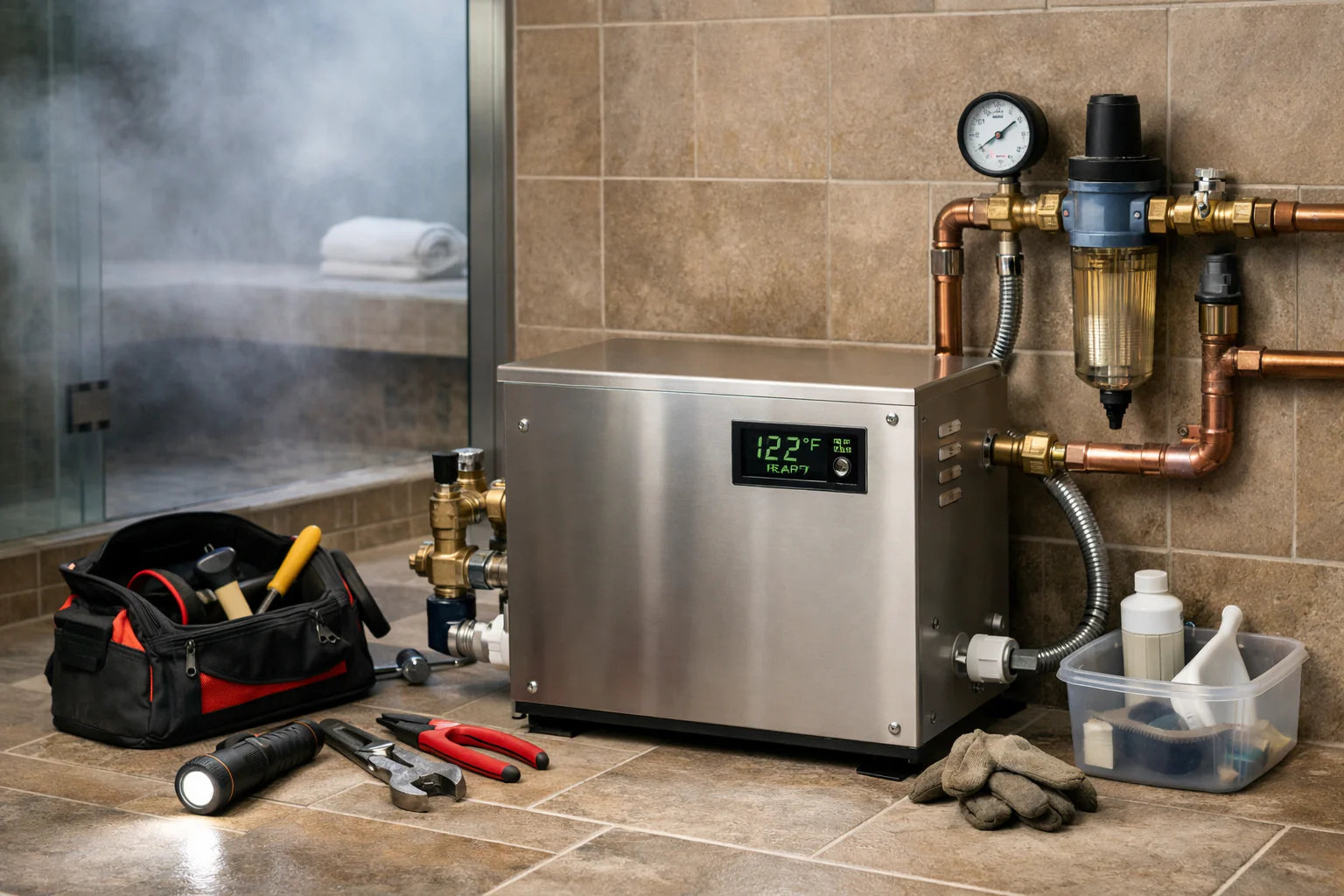
Key Takeaways
- Check the steam bath generator’s water quality, flush cycle, and descaling routine first; mineral buildup is the quiet reason a machine loses steam output, runs hotter, and wears out early.
- Inspect connections, vents, seals, and the console each month for small leaks or loose fittings—tiny problems around the frame or shower enclosure can turn into costly repairs fast.
- Match the unit’s specs and price to the room size before buying; an undersized steam bath generator works harder, heats slower, and usually needs service sooner.
- Watch for early warning signs like weak steam, longer warm-up hours, or random shutdowns, then fix the water feed, power, or control issue before it spreads.
- Protect long-term value by keeping the maintenance tools simple and consistent: rinse, flush, descale, and document what changes after each session so the system stays happy for the total lifespan.
- Compare warranty coverage, parts support, and install quality across steamist-style systems and accessories, because the right setup can make a steam bath generator worth it for family recovery, daily use, and premium home wellness.
A neglected steam bath generator can start losing performance long before it fails outright. The first clue is usually small: steam takes an extra 90 seconds, the shower feels a little cooler, or the unit starts clicking off after a short burst. That’s not drama. That’s a wear building in plain sight.
For wellness buyers, athletes, and families using steam for recovery or a quiet daily reset, that matters. A machine that costs $1,500 or $5,000 shouldn’t act tired after a few seasons, yet mineral buildup, loose connections, and weak water flow can shorten its life fast if nobody’s paying attention. The honest answer is simple: steam doesn’t punish the owner all at once — it chips away, one missed flush, one tiny leak, one ignored spec at a time. And once that pattern starts, repair costs climb. Fast.
What a steam bath generator actually does—and why upkeep matters for daily steam use
About 8 out of 10 service calls start with one boring issue: scale. A steam bath generator isn’t just a metal box; it’s the machine that turns water into steady vapor, keeps the temperature from swinging, and protects the room from a leak, weak shot of steam, or a noisy pressure spike. That’s why upkeep matters before the frame, rails, or console start showing wear.
How the machine creates steam, pressure, and temperature consistency
An electric steam bath generator heats water in a tank, sends steam through the line, then waits until the room’s level is right again. In a steam bath generator for shower setups, the goal is fast heat with stable output—not an oven effect, not a roller-coaster cycle. The best steam bath generator does that without wasting hours recovering after each use.
Why water quality, vents, and connections affect the total lifespan
Hard water leaves mineral deposits on internal parts, — poor vents can trap moisture where it shouldn’t sit. A steam bath generator with auto drain cuts that risk, while a home steam bath generator system still needs solid connections, clean drainage, and a little maintenance discipline. A small steam bath generator may last longer in a closet-sized space, but a large steam bath generator usually needs even stricter water care.
Common wear points in home steam systems and what to watch for
Watch the control console, seals, and steam head first. A steam bath generator maintenance check should include mineral buildup, loose fittings, and any change in noise. A steam bath generator for tile shower or steam bath generator for marble shower installations can be unforgiving if the enclosure isn’t wrapped right; one weak joint can increase heat loss fast. A luxury steam bath generator, especially a steam bath generator with wireless control or a steam bath generator with wifi, is only as happy as its water treatment routine. Steam bath generator with linear steam head. Quick start steam bath generator. Steam bath generator cost stays sane when the care is boring and consistent. Steam Sauna Depot sees that pattern again and again.
The maintenance routine most owners skip: cleaning, flushing, and leak checks
A steam bath generator doesn’t stay healthy on good intentions. It stays healthy with repeatable upkeep.
- Flush on schedule. For a residential steam bath generator, a monthly flush is the bare minimum if the water is hard; in high-mineral homes, do it every 2 weeks. That’s the difference between a clean tank and a crusted mess that cooks onto the heating surfaces.
- Descale before deposits harden. A quick shot of descaling solution, then a rinse, keeps the machine from losing output. A small steam bath generator may need less volume, but it still needs steam bath generator maintenance.
- Check the wet points. Look around the console, rails, fittings, and the frame where lines pass through the wall. A leak that starts as a damp line can turn into a failed seal, a stained shower, or a service call nobody wanted.
Owners of a residential steam bath generator usually get better results when they treat the unit like a powered appliance, not a black box. The same goes for a steam bath generator for a tile shower or a steam bath generator with wireless control; the console still needs a visual check, even if the controls live on a phone.
For a luxury steam bath generator, the best steam bath generator is the one that gets cleaned before the owner notices a problem. Keep basic tools nearby, log the hours, and don’t wait until the shower starts smelling like an oven. That’s usually when the repair bill shows up.
Steam Sauna Depot sees the same pattern in a home steam bath generator system: neglected maintenance turns into downtime, then into a higher total cost. Quiet habit. Big savings.
Steam bath generator sizing, specs, and installation habits that reduce strain
A homeowner swaps a cramped shower for a full steam setup and expects instant spa comfort. Instead, the unit runs hard, the frame feels damp, and the console starts acting jumpy. That’s usually sizing or install trouble, not bad luck.
A home steam bath generator system works best when the room volume, finish materials, and power all line up. A steam bath generator for marble shower needs more output than a basic acrylic build, while a steam bath generator with wifi only helps if the electrical connection and control path are clean. The same logic applies to a steam bath generator cost question: price means little if the machine is underpowered or boxed into a leaky enclosure.
Why undersized units work harder and fail sooner
Short cycling, slow warm-up, and weak steam output are warning signs. A small steam bath generator can be fine for a tight shower, but stone, glass, and exterior walls can push it past its limits in under an hour.
How proper room frame details, enclosure seals, and venting support performance
Good rails, tight doors, sealed vents keep heat where it belongs. A steam bath generator with auto drain also cuts mineral buildup, which matters after 2–3 uses a week.
What to confirm before buying: price, power, and compatibility with the shower
Check specs, total wattage, and clearance before the order. A steam bath generator with wireless control, a steam bath generator with wifi, or a quick start steam bath generator won’t fix bad sizing, and the best steam bath generator still needs solid installation habits. Steam bath generator maintenance should stay boring: flush, inspect, repeat. That’s the job.
Real results depend on getting this right.
Performance problems that show up first: weak steam, slow heat, and shutdowns
Write this section as if explaining to a smart friend over coffee — casual but accurate and specific. A steam bath generator usually complains before it quits. Weak steam, longer warm-up times, or a console that keeps resetting are the first clues, and they don’t belong on a “wait and see” list.
Reading early warning signs before they become expensive failures
If a best steam bath generator starts taking 10 to 15 minutes longer than usual, scale buildup is a likely culprit. That’s especially true in a small steam bath generator or a steam bath generator with linear steam head, where output loss shows up fast. A residential steam bath generator in a tile shower can mask the issue for weeks; marble or stone usually exposes it sooner.
How electrical issues, water feed problems, and control faults affect operation
A home steam bath generator system doesn’t fail in one dramatic shot. It drifts. Loose connections, clogged water feed lines, and a tired control board can all cause shutdowns, especially on an electric steam bath generator that’s been pushed through long family use. Steam bath generator maintenance matters here: check vents, leak points, and water pressure, and don’t ignore a unit that runs then stops twice in one session.
For a steam bath generator with wifi or wireless control, app glitches can look like hardware trouble. A quick reset fixes some of it. A flashing error code that returns until dawn doesn’t.
And that’s where most mistakes happen.
When a service call makes sense versus a routine user fix
A steam bath generator with auto drain, quick start steam bath generator features, or a luxury steam bath generator should still need basic care, not heroics. If descaling, a filter swap, or a connection check doesn’t solve it, the problem is deeper — and that’s when a service call beats guesswork. The steam bath generator cost is high enough that protecting the machine is part of the deal.
Steam Sauna Depot is one useful reference point for sizing, parts, and specs before a leak becomes a bigger story.
Are steam bath generators worth it for families, recovery, and premium home wellness?
Yes—if the unit is sized right and cared for. A steam bath generator can support post-training recovery, calmer evenings, and a family routine that doesn’t depend on a crowded gym.
For a steam bath generator for shower, the real value shows up in the small habits: clear vents, dry rails, and clean connections that don’t leak after a hard week of use.
How regular care protects long-term value for athlete recovery and family use
A residential steam bath generator in a busy home needs the same discipline as training logs. Run it, flush it, check the frame, — keep the area wrapped and dry after each session.
That matters even more with a home steam bath generator system used after lifting, running, or long work hours. A quick wipe-down cuts mineral buildup and helps the console stay happy instead of sticky.
Maintenance habits that preserve comfort, reliability, and finish quality
Use steam bath generator maintenance on a schedule: monthly descaling, quarterly inspection, and a yearly service check. A steam bath generator with auto drain helps, but it still needs attention.
It’s not the only factor, but it’s close.
- Choose a steam bath generator with wireless control or a steam bath generator with wifi for easier timing.
- A steam bath generator with a linear steam head suits a modern tile shower.
- A steam bath generator with a linear steam head also fits a marble shower without crowding the wall.
What buyers should compare across steamist-style systems, accessories, and warranties?
The best steam bath generator isn’t always the priciest. Buyers should compare the steam bath generator cost, replacement parts, and whether the brand supports a small steam bath generator or a large steam bath generator without surprise fees.
For a steam bath generator for a tile shower or a steam bath generator for a marble shower, finish quality matters. So does a quick start steam bath generator when the goal is 10 minutes of steam before dawn. A luxury steam bath generator should earn its price through quieter operation, cleaner output, — fewer service calls—Steam Sauna Depot notes that’s where buyers usually feel the difference.
Frequently Asked Questions
What is a steam bath generator?
A steam bath generator is the powered unit that heats water and sends steam into a sealed shower enclosure. It’s the piece that turns an ordinary shower into a steam bath, and the size, specs, and control console all matter if you want steady output instead of a weak shot of vapor that fades fast.
What are the disadvantages of a steam bath?
The biggest drawback is simple: the setup isn’t cheap — the install takes real planning. There’s also maintenance, including descaling, checking connections, and watching for leaks, plus the room has to be built right, or the steam won’t stay wrapped around you the way it should.
What are common problems with steam generators?
Undersizing is the classic mistake. The unit runs hard, recovery suffers, and the bather gets a lukewarm experience instead of a full-steam session. Mineral buildup, drain issues, faulty vents, and poor placement are the other repeat offenders, and they usually show up after the first few months if the maintenance routine is sloppy.
Are steam generators worth it?
For the right buyer, yes. If steam is part of a weekly recovery or relaxation routine, a home unit can pay back in convenience alone, especially compared with repeated spa visits or gym access that never quite fits the clock. If it’ll sit unused like a fancy closet upgrade, the price won’t make sense.
How do you size a steam bath generator correctly?
Start with the enclosure volume, then adjust for tile, stone, glass, exterior walls, and ceiling height. A 75-cubic-foot shower with heavy stone finishes often needs more power than the same frame in acrylic, and getting that wrong is how buyers end up annoyed before the first towel warmer is even switched on.
What features should buyers look for first?
Good controls, reliable drainage, and consistent steam output beat gimmicks. Quick-start functions, auto-drain systems, and clear temperature tables are the details that make daily use feel easy, while aromatherapy, chromatherapy, and Bluetooth are the extras people enjoy after the basics are right.
It’s not the only factor, but it’s close.
How much does a steam bath generator cost?
Entry systems can start near the low thousands, while premium units with advanced controls and higher output can climb well past that. The total cost isn’t just the machine; it includes installation, plumbing, electrical work, and the room build itself, so buyers should think in total project dollars, not sticker price alone.
What maintenance does a steam bath generator need?
Regular flushing or auto-drain cycles, descaling, and occasional inspection of the water lines keep the system happy. If the water is hard, maintenance needs go up, and skipping it is how a good machine turns into a stubborn one that leaks, hisses, or just stops producing enough steam.
Can a steam bath generator fit in a small home?
Yes, but the shower has to be enclosed properly — sized with care. Compact installs can work in a closet-sized bath or a tight remodel, yet the unit still needs the right electrical connections, service access, and a space that traps steam instead of letting it escape through gaps and vents.
How does a steam bath generator compare with other recovery tools?
It’s gentler than a cold plunge and less demanding than a traditional sauna session, which is why so many athletes use it on rest days or after training. Steam won’t replace sleep, mobility work, or medical care, but it does create a reliable heat session that supports relaxation, circulation, and a calmer nervous system.
The smartest owners don’t wait for a steam bath generator to complain. They stay ahead of the usual trouble spots: mineral scale, loose fittings, tired seals, and weak water flow that quietly drags performance down. That’s what keeps daily steam feeling consistent instead of temperamental.
For athletes who want reliable recovery, for families using steam as part of a weekly ritual, the payoff is plain. Better upkeep protects heat output, reduces surprise shutdowns, and helps the finish hold up longer in a wet, high-use environment. A unit that’s sized right, installed well, and checked on a steady schedule won’t have to fight its own setup. It just works.
The next step is simple: compare the owner’s manual with the actual cleaning and flush schedule already in use, then inspect the system’s seals, controls, and drainage points before the next heavy-use cycle.
